
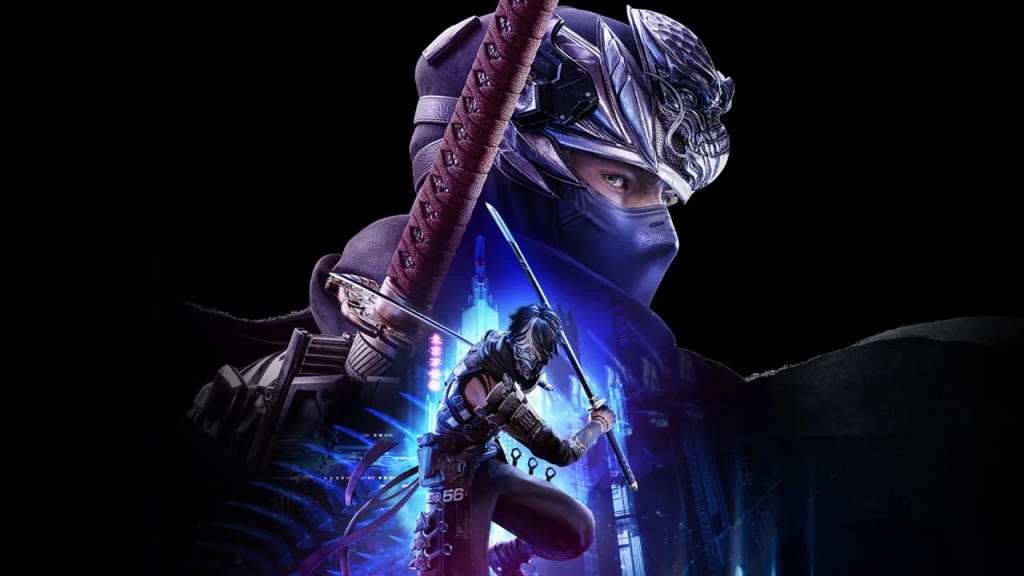
The Ninja Gaiden games are a series that I have only really gotten into in the last year or so. Braving the definitive remastered trilogy after the many horror stories of its punishing difficulty was not a task I took lightly, and it certainly pushed me to my limits. The third one in particular is so unforgiving and brutal towards the end that the Xbox achievement for finishing the game alone is only unlocked by 1% of players. In fairness, with how stupid that game’s final boss fight is, there is no surprise there at all, but they are all very tough games to get the hang of. Slashing at enemies, dodging and blocking on the fly, all to reach a seamless flow-state of gorey goodness; that is what these games are about, and it was good fun to experience that learning curve, even if it did almost break me towards the end. Interestingly, though, none of these games are really talked about for anything other than their combat and bosses, and when playing them for yourself, it is clear to see why. The characters are quite one-dimensional, and the stories are just about servicable enough to carry you through, but nothing more than that. When I heard that a fourth installment was coming out, I hoped that those things would be at least a little bit improved upon to make the whole experience worthwhile. Though I did not get what I wanted in this regard with Ninja Gaiden 4, what I did get was a masterful combat experience that alone makes the game worth playing. The originals were classic 2000s pieces for their light story and heavy focus on gameplay, and this fourth installment evokes that sentiment in the flashiest and most entertaining ways possible.
Ninja Gaiden 4 takes players out of the shoes of series protagonist Ryu Hayabusa and instead places you with Yakamo, a ninja of the Raven clan. After Ryu’s defeat of the Dark Dragon in the previous entry, its refusal to fully die has left Tokyo as a wasteland, overshadowed by the cold husk of the Dark Dragon itself. Rifts to the underworld open up, and the city has become a bit of a hellscape. Yakamo is sent on a mission to assassinate Seori, a priestess of the Dark Dragon, with the hopes that killing her might destroy the last remnants of the Dark Dragon to finish it once and for all. However, Seori stops him and tells him that the Dark Dragon’s soul is actually inside her, and the only way to end the Dark Dragon is to purify that very soul. Yakamo is tasked with helping her escape, starting a quest to break all the seals of the Dark Dragon, so it can be summoned and then finally purified. Standing in his way is the Divine Dragon Order, which will stop at nothing to prevent the Dark Dragon’s return, unaware that the Yakamo and Seori are the only ones who have the means to stop it. In league with the DDO is Ryu himself, who puts Yakamo to the test in order to see if he can actually accomplish this mammoth task he has given himself. After all, the only one who can purify the Dark Dragon is someone of the Raven clan, so Ryu will have to learn that he cannot do everything himself.
Before we get into the triumph of the game’s combat, those previous issues I had with the series are definitely present here when it comes to its narrative and characters. Firstly, Yakamo, as the protagonist, looks great, and he is a bit of a badass, but he is flatter than a pancake when it comes to any sort of depth or interesting character. He might as well be a silent protagonist because he says nothing really of note, other than swearing at a boss when he talks smack at him. It was a bold decision to make Ryu a secondary character to play as because we have a personal affinity for him purely from spending so much hardship with him. He was that badass from day one, who is at the centre of all the series’ best moments, and not being placed with him fully does make you feel a bit less invested in what is going on. The other side characters might as well not exist either. Whether they just groan in anguish when you die or are just telling you where to go, they do nothing of note, and we know absolutely nothing about them. Seori, in particular, is the biggest sin as she has the biggest burden possible: housing the soul of the biggest threat to the world. How does she feel about that? You will never know that because all she does is flirt with Yakamo and tell you where to go. She is an example of how badly these games treat female characters sometimes, too, as she has no real character to her and is instead just a plot device and ultimately a sex object. The fact that we are still getting boob-physics in 2025 is insanity, and though incels will be happy, normal people like you and I will undoubtedly not be, as it is gratuitous and unnecessary. The story throws these characters into a very simple, point-by-point story that will surely shock no one with its predictability. As I said about the other games, the characters suck and the story is servicable at best, and none of that has changed here.
It is a testament to just how good the combat in this game is that I have still given this game a great score, because it is truly excellent and almost makes the game’s other problems completely obsolete. The foundations are simple, but until you experience it for yourself, you will never understand just how good this game feels to play. You are given a light attack and a heavy attack as usual, which are the base of all your combos. You can do things like juggling the enemies in aerial combos, devastating long combos just through button presses, or special moves from flicking the stick in a certain direction. There are still classic combo moves like the Izuna drop or the ever-satisfying flying swallow that feels as good as ever. With five different weapons that all have different upgradeable movesets, there is so much variation in what carnage you can inflict. If your attacks chop off limbs, you can activate obliterations that instantly finish enemies in the most brutal ways possible, and they are so gloriously satisfying to execute. All of these things build up a meter that serves as the foundation of Yakamo’s power, his Bloodraven form. These are big block-breaking swings that can be strung into lots of combos to make them even more flashy and devastating. These go on to build up another meter that triggers bloodbath kills, which are essentially rapid obliteration kills that can insta-kill most enemies and even the odds in the arena. With all these different things to pay attention to, combat becomes just an endless cycle of brewing chaos and subsequent satisfaction once you come out on top. Enemy types are varied enough to keep things fresh, and bosses test your mettle in all the ways a Ninja Gaiden boss should. The actual levels themselves are nothing special, but when you are wreaking all this havoc, it is so easy to be swept away and just enjoy yourself. The polish of the animations, the ecstasy of the feedback you get when pulling these crazy moves off, it is just fantastic, and action hack’n’slash combat at its peak.
Ninja Gaiden 4 may not be a triumph in its narrative and overall writing, but it definitely soars high enough in its combat and just brilliant presentation that it matches the rest of the series’ greatness. Even if you have not played the other games, this one could easily be jumped into by anyone, as could that fantastic remake of the second game that released earlier in the year. I will still criticise the story as that is part of what I do, but you simply do not play these games for the story, so realistically, you can pick and choose wherever you want to jump into. This game is definitely the series at its most accessible, due to its more forgiving nature in terms of difficulty, but also the ease of use and quality of life that comes from its modern engineering. Team Ninja has done a great job here, and their collaboration with Platinum Games is very evident in the game’s overall polish. It is not the most incredible overall package, but for a shorter and more classic experience like this, I doubt you will have as much fun actually playing a game as this all year.


 Screen Addict
Leave a comment