
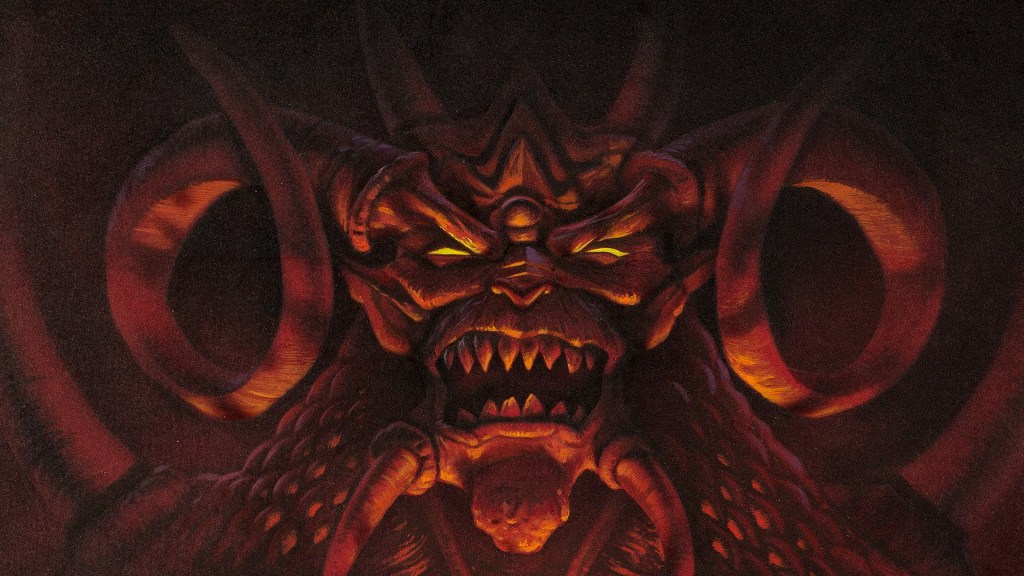
Recently, I have been playing a great deal of Diablo IV with my girlfriend, thanks to the release of the Lord of Hatred expansion a couple of weeks ago. It has been excellent fun to indulge in its typical power fantasy formula, slashing through enemies before they can even touch you, and commanding the battlefield with god-like abilities. I have been playing a Lightning-Werewolf Druid build, a pack of werewolves by my side that wreck everything before I even get the chance to hit something. Even playing on Expert difficulty (we could not do torment because we had not finished the campaign), the power fantasy these games offer was still in full force, making it the perfect game to relax to after work. Ploughing through dungeons, getting new loot, and perfecting your build are all done in such a streamlined way in Diablo IV, and it really feels like an excellent modern step for the franchise. Never feeling too demanding and offering bite-sized chunks of fun is very user-friendly, especially for those with less time than they would like, and it has been really enjoyable to get on with. Because of the fun I was having, I started thinking about the other games in the franchise. I really enjoyed II and III, but never gave the first game a chance, and considering I knew next to nothing about it, I thought I would give it a go. I expected an old-school version of this demon-slaying power fantasy that would have served as a blueprint for the franchise I know and love, but that is quite the opposite of Diablo‘s nature. Instead of making you feel powerful, Diablo strips you of any sense of it, making you fearful of what is around the next corner. You skulk through its hallways rather than charge through them, sheepishly looking for loot and often having to get creative to find it. This is a tough game, far from what I expected, and it was deeply frustrating to get through. But with the sense of accomplishment I got from finishing it, plus its clear influential nature, this is an interesting experience that all franchise fans should try at least once, even if it is just for a history lesson.
Diablo has a very simple premise. Picking one of three classes: Warrior, Rogue, or Sorcerer, you set off on your adventure and arrive at the town of Tristram. It is relatively empty, save for a few kind souls who are very welcoming and will bend over backwards to help you out. This is because they need a strong adventurer, a hero even, to complete a very difficult task that will push them to the very limits. Tristram was built next to a cathedral, which used to be a holy monastery. Long ago, the essence of one of the three Prime Evil Demon Lords, the titular Diablo, was buried in a soulstone underneath this monastery by a holy order known as the Horadrim. Somehow, Diablo’s essence has broken free and is starting to corrupt people around the town and the world itself. Diablo’s corruption spread as far as the King, turning him mad and plunging the kingdom into a lawless hellscape. Tristram itself has few people left who have not been abducted or killed, and so they plead to you to help them. You must go into the old cathedral and delve deep, through the catacombs and caves that worm deep into the earth, with the ultimate goal of reaching Hell itself to face the Dark Lord. Of course, on your way, there will be legions of skeletons, hellspawn, and other grotesque monsters that seek to defend their lord and keep his reign alive. Thankfully, the townsfolk will give you advice, healing, and lots of useful equipment to help you on this quest, as well as everything you manage to find below.
Part of the beauty of this game is its immersion through its RPG elements and story. The game is certainly light on its story elements, but every piece that you do get is cryptic in a way that is really intriguing. You come to this town and see its desolation: the empty houses, and wallowing locals making you think to turn around and abandon your adventure. There is an eerie atmosphere when you arrive, almost like you are not welcome, but that is mainly due to the fact that there is hardly anyone there. This makes Cain’s, the village elder, pleas all the more glaring and undeniable, feeling like you have to help these people, as they do not have much left. Stepping towards the cathedral and seeing a dying man on the ground sets urgency in motion even further, showing that this is an immediate threat that needs someone to step up and meet it. Of course, that someone is you, and the moment you step inside the cathedral, the gravity of that task will dawn on you. Any eerie atmosphere in the town is dialed up to eleven once you enter the dungeon, its cold stone walls and dimly lit corridors oozing the darkness that you have come to quell. As soon as you get into a fight with some skeletons, it is clear that you will have to adapt and get stronger to survive what awaits you, because this game is not one to hold your hand. Like most RPGs, you have skill points to put into your attributes, leveling you up the way that you see fit. As a Warrior, I put lots of points into strength and vitality early on and crafted my build around that. I did not care for much of the magic, as the mana pool I had was so low. Any items that increased my strength or vitality were the priority, and thankfully, Diablo has a fairly large gear economy, even for its age. This was the game that popularised colour-graded loot, with white for basic, blue for magic, and gold for unique. All non-white gear pieces have some sort of modifier, be that elemental resistance or an upgrade to attributes, with unique items generally offering multiple. I ended up with a high armour rating chestplate and helmet that increased my strength and vitality by a great deal of points, and that was the path I built on to see me through to the end. It is remarkable that even in a game from 1997, you can still feel that loot drive, just pushing your luck to search one more chest in the hopes that it will give you something good. You may not want to push your luck too much, though, because actually utilising all this loot in gameplay is very tough.
Diablo is incredibly tough, and I admire anyone with the mental strength to beat it. I managed in the end, but it took a lot of metaphorically slamming my head against the wall to make any sort of progress. Especially playing as a warrior without the benefit of long-range attacks, most of the time through this game, you will have to brute force sections with lots of healing potions, or smartly bottleneck groups of enemies in doorways so you can pick them off. There is simply no other way to do it, because unlike in the other games, you do not have a wide economy of special attacks. Magic, for me, was quite low, so I could not use a great deal of the spells, nor could I constantly use the ones I owned, as I had few mana points. It meant I had to be careful, not diving into massive groups of enemies and trying to lure them away from each other one by one. Honestly, this does get quite tedious, but it does also work well for keeping you constantly on your toes and at times scared of what is around the next corner. This is so far removed from the power fantasy of the other games, which is bizarre because a lot of the encounters feel like they were built with the idea that you could blast enemies away like in the other games. Some corridors in the Hell section, for example, will have upwards of ten high-level enemies that can kill you in a few hits, and it is so frustrating that I cannot rain a lightning storm on them, at least not in the same manner as the other games. I have heard that the sorcerer is almost mandatory for greater difficulties, so I would be interested to try playing a magic main and see how much that changes the difficulty overall. For mindless sword-swingers like me, though, you might have a bit of a headache getting through this one. With all those ranged enemies later in the game, the warrior definitely feels disadvantaged, but that did make it all the sweeter when I did eventually beat the game.
Diablo is obviously a good game, and it is so clearly influential in every way. It lays the groundwork for the franchise by establishing gripping lore that is always interesting to delve into. Its loot grind is also really well done, especially for the time, and it is clear that this was one of the founding fathers of the loot-based RPGs. You may not have Destiny or Borderlands in the same way if not for this game, which is really interesting to think about, considering they’re so different on the surface. The most endearing thing about this game, though, is its simplicity in its setup. A hero delving to the depths of Hell to slay a dark lord, the world at stake if he fails in his mission; it is like a classic fantasy tale. Yet it holds that Diablo identity, much more grim in its portrayal of a fantasy world, and definitely a mature deviation for Blizzard at the time, known then for the whimsy of its Warcraft franchise. Its simplicity from a design perspective is also quite endearing, and it is something that is missed in later games. Having essentially one big dungeon that you must plough through is very effective, feeling every single level, along with the vicious abrasion it has on your sanity and likely your character’s as well. When playing this, I certainly did lose my sanity at points due to its punishing difficulty. But like many of my favourite games, the satisfaction comes from saying you beat the game, and it was very rewarding to come to the end. If you are up for a challenge and do not mind a bit of old-school jank here and there, this is an interesting pillar in the history of RPGs that is worth your attention.


Leave a Reply